Trying to decide between Pompano Beach and Fort Lauderdale? Both offer sun, sand, and access to the water, but each city delivers a different pace, price point, and daily experience. If you’re relocating or shopping from out of the area, it helps to match your lifestyle and budget to the right setting.
In this guide, you’ll compare housing options and prices, beach and dining scenes, boating and marina access, and commute realities. You’ll also get a simple checklist to zero in on your best fit. Let’s dive in.
Quick snapshot: prices and home types
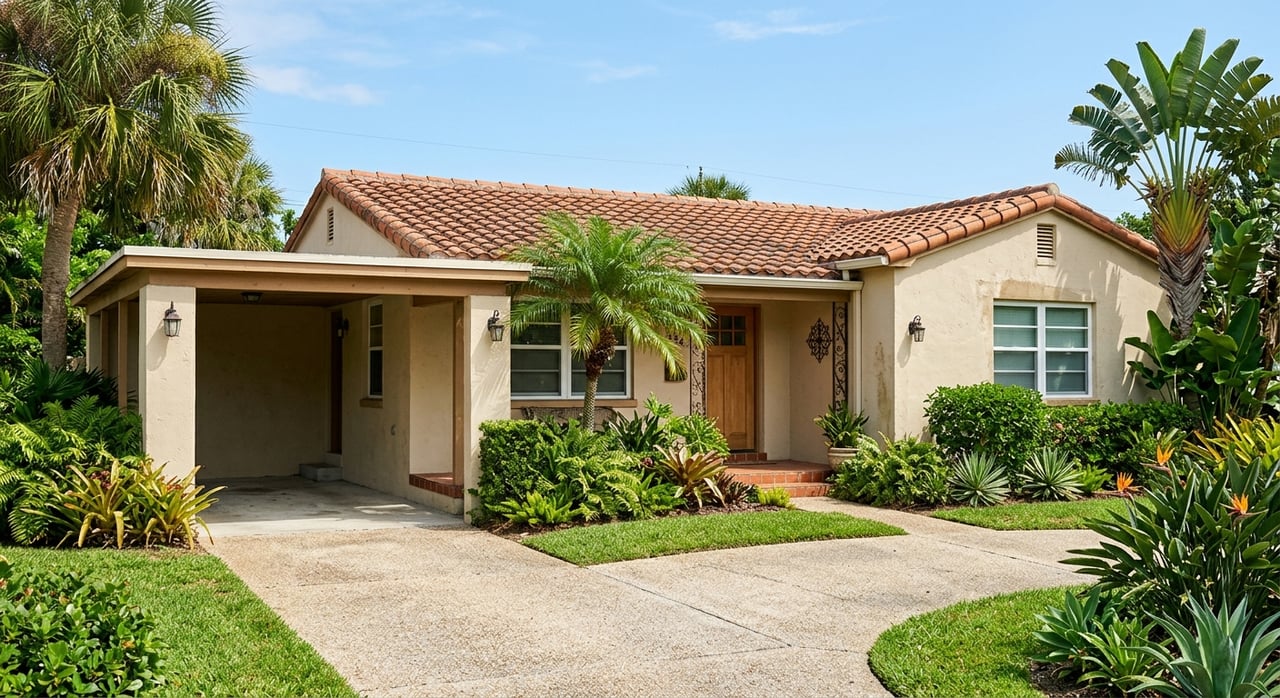
Recent snapshots show a meaningful price gap. Pompano Beach’s median sale price sits around $360,000, while Fort Lauderdale trends closer to $500,000 at the city level. Treat these as directional. Your price will depend most on product type and location: oceanfront or Intracoastal condos, inland single‑family, or luxury waterfront.
Condos and townhomes
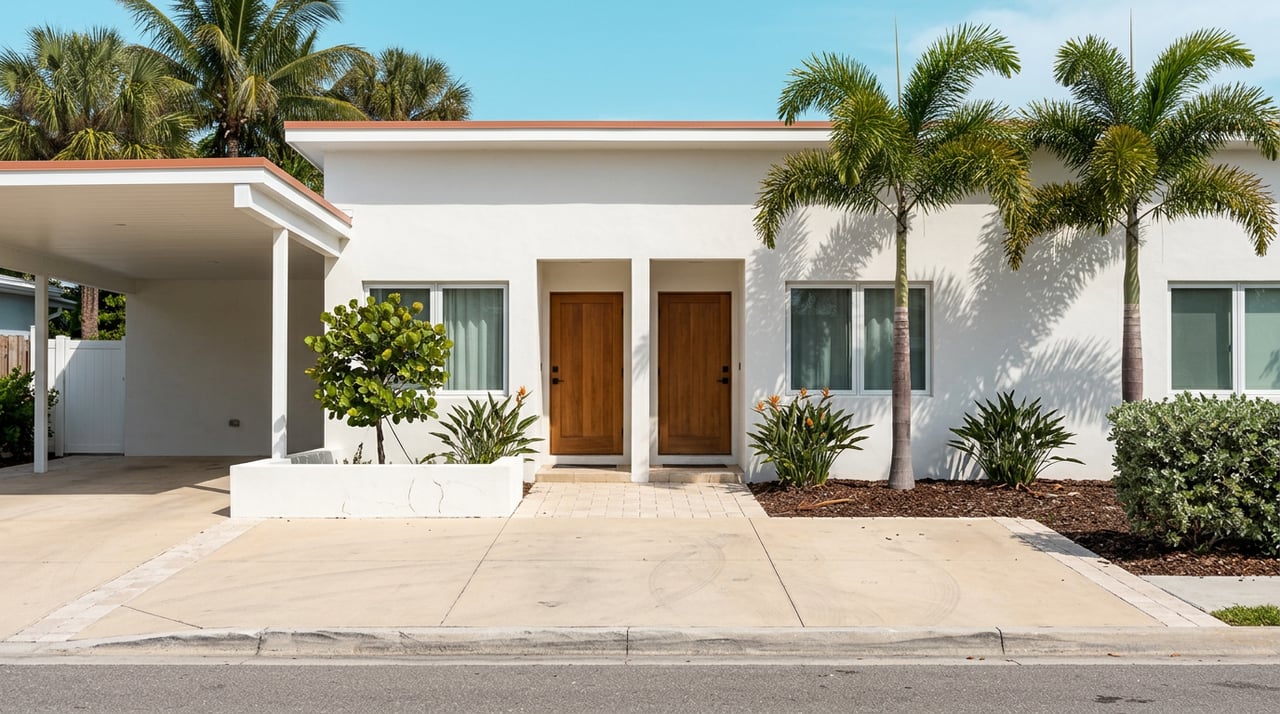
If you want to live by the beach at a lower entry point, you’ll find more approachable condo options in Pompano, especially near the reimagined pier and Fishing Village. Many associations include reserves and larger maintenance budgets, which can stabilize long‑term upkeep but raise monthly costs. If you plan to rent, review condo documents early for rental rules and minimum terms.
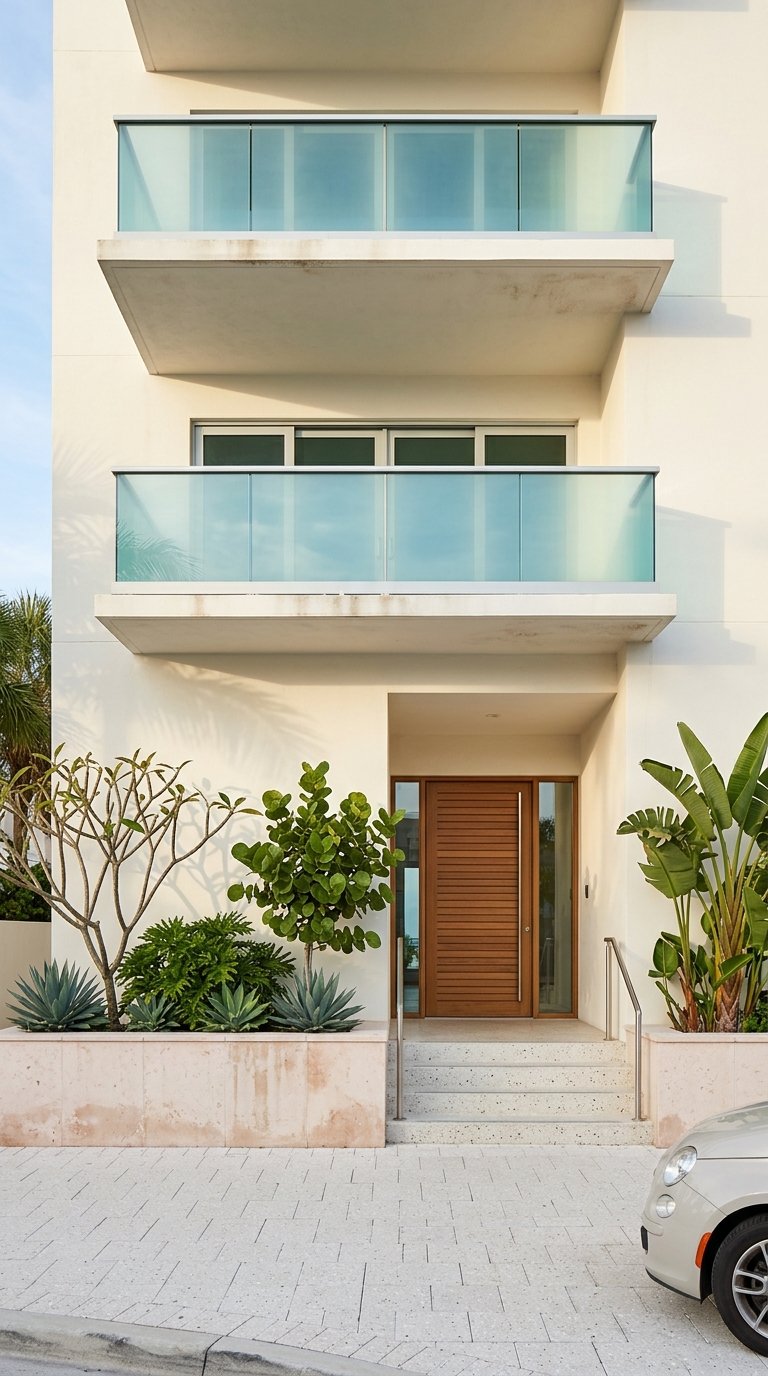
Fort Lauderdale’s condo market is broader and more vertical, with a dense downtown/Las Olas corridor and high‑rise oceanfront towers. This variety often pushes averages higher, particularly in prime waterfront buildings.
Single‑family and waterfront
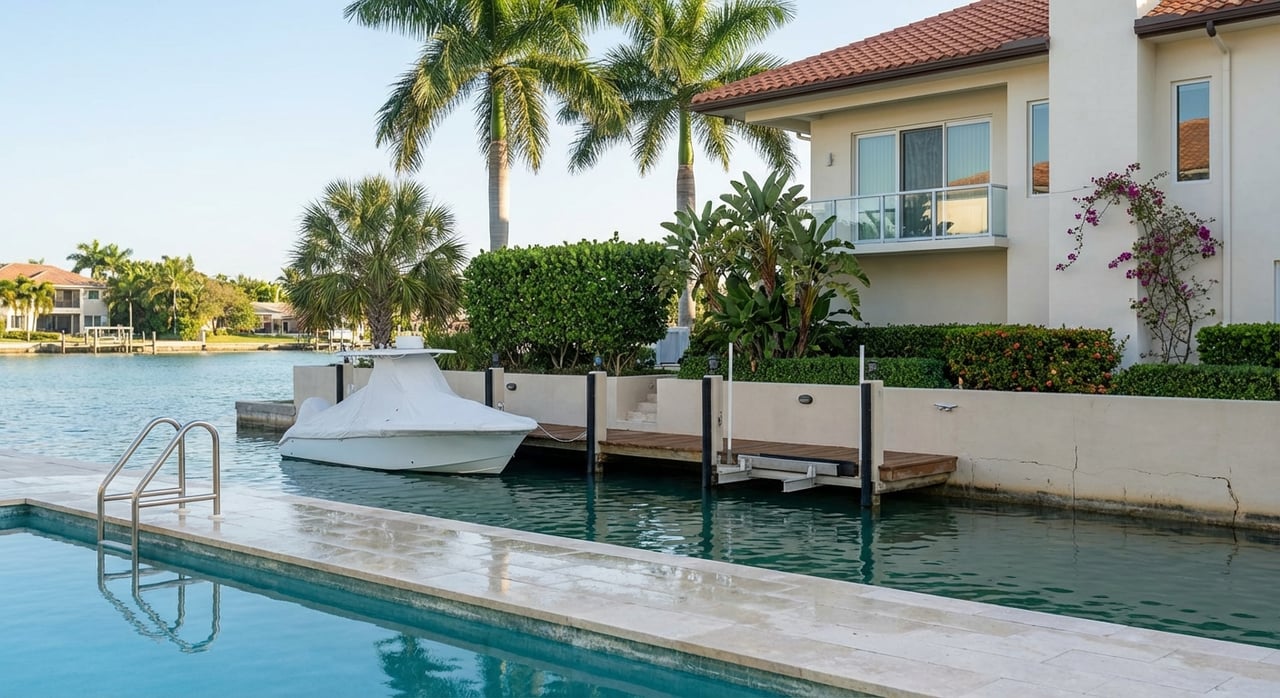
Pompano offers Intracoastal canal homes with private docks plus quieter inland single‑family neighborhoods. If you boat, pay close attention to bridge clearances, canal routes, and seawall condition.
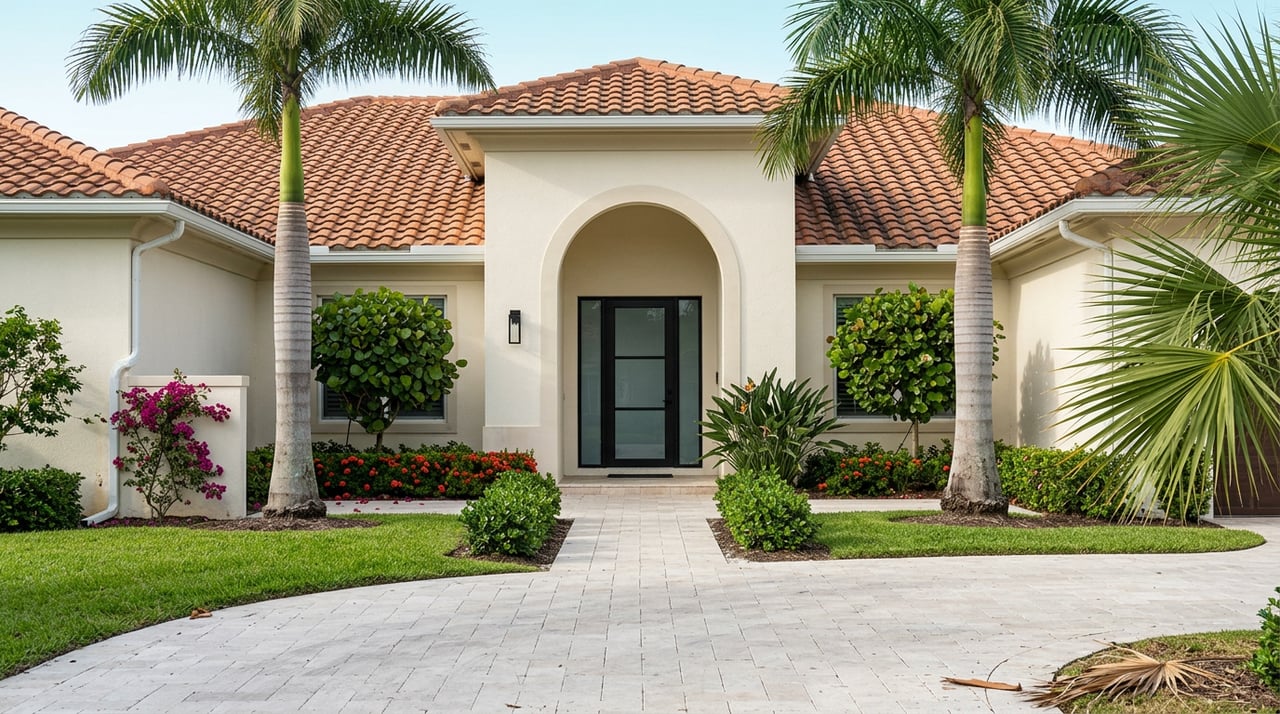
Fort Lauderdale has one of the region’s largest inventories of luxury waterfront estates. That depth, combined with strong demand near Las Olas and the beach, lifts citywide averages.
Beach feel and dining scene
Pompano Beach vibe
Pompano’s shoreline centers on the Fisher Family Pier and a compact, walkable Fishing Village. You can fish or stroll the Fisher Family Pier, then head to casual beachfront spots and rooftops within a few blocks. The city promotes mapped beach access and simple parking for visitors along the corridor, which adds to the easygoing feel. For an overview of access and parking, see the city’s Pompano Beach visitor page. Nearby, a cluster of restaurants creates a true beach‑to‑dining loop, highlighted on the Pompano food and drink guide.
The water here is also known for snorkeling and diving, with artificial reefs and wrecks offshore that attract locals who prefer a quieter beach day.
Fort Lauderdale vibe
Fort Lauderdale’s beachfront is busier and more urban, folding into a 24‑mile coastal scene with a lively promenade, hotel fronts, and extensive dining. If you prefer an active boardwalk energy and late‑night options near Las Olas, you’ll find a larger variety here. Explore the broader beach picture on the regional Visit Lauderdale beaches guide.
Boating and marinas
Fort Lauderdale: a global yachting hub
Fort Lauderdale anchors one of the world’s premier yachting markets, supported by deep‑water marinas, service yards, and the annual Fort Lauderdale International Boat Show. To see the scale of the scene, review the show overview on United Yacht. If you need superyacht infrastructure or top‑tier marina amenities, Fort Lauderdale is hard to beat.
Pompano Beach: fast inlet access and value
Pompano delivers convenient access to the Atlantic via Hillsboro Inlet, plus a mix of full‑service and dry‑stack facilities that fit small to mid‑size boats. A good example is Sands Harbor Marina, located near restaurants and beach access. The combination of relatively lower housing costs and quick ocean access is a strong draw for anglers and recreational boaters.
Buyer tip: Verify slip length, channel depth, and any fixed‑bridge clearances that affect air‑draft. Ask each facility about hurricane storage policies and haul‑out services.
Commute and connectivity
Both cities sit on the I‑95 corridor, with travel time shaped by bridge openings, A1A traffic, and peak‑hour slowdowns. Citywide averages are similar on paper, with mean commute times around 26 to 27 minutes. Your actual time will depend on your route and time of day.
For rail commuters, Tri‑Rail serves both cities. The Pompano Beach Station offers free commuter parking and Broward County Transit connections. The Fort Lauderdale Station connects into downtown routes and shuttle links.
Practical buying considerations
Flood zones and insurance
Coastal parcels and canal‑front homes in both cities face higher flood exposure. In Pompano, the city provides clear local guidance and tools for due diligence. Start with the city’s flood information page, then review FEMA Flood Insurance Rate Maps and order an elevation certificate for any address you’re serious about.
Fort Lauderdale also deals with sea‑level and tidal‑related challenges in many waterfront areas. Factor flood insurance costs, seawall condition, and drainage upgrades into your long‑term budget.
HOA rules and rental plans
If rental income is part of your plan, review condo bylaws for waiting periods, lease minimums, and seasonal restrictions. Budget for HOA reserves and special assessments, especially in older waterfront buildings.
Watch the development map
Public and private projects shape pricing and the feel of each beach corridor. In Pompano, the city’s investments around the Fishing Village, pier, and garage have changed parking patterns and foot traffic along the beach. Learn more about that initiative on the Pier Development overview.
How to choose: quick decision guide
Choose Pompano Beach if you want:
- A quieter beach day with easy pier access and a walkable dining cluster.
- A lower typical entry price, especially for condos and inland single‑family.
- Fast Atlantic access via Hillsboro Inlet and solid marina options for small to mid‑size boats.
Choose Fort Lauderdale if you want:
- A busier, urban beachfront with a larger restaurant and nightlife scene.
- A deeper inventory of luxury waterfront estates and high‑rise condos.
- Superyacht‑level marina infrastructure and services.
Buyer’s short checklist
- Budget and product type: Set your target band and match it to condo, inland single‑family, or waterfront.
- Flood due diligence: Confirm flood zone, review elevation certificates, and discuss insurance costs early.
- Boating needs: List slip length, air‑draft, and storage requirements; verify with marinas.
- Commute and access: Test your actual route at peak times; note bridge openings and A1A.
- HOA and rental: Review association documents for reserves and leasing rules.
- Development context: Scan current projects near the pier, marina corridors, and downtown areas.
Ready to walk the neighborhoods, tour by boat, or compare condo associations side by side? Connect with Lois Rutigliano for a tailored plan and on‑the‑ground insight across Fort Lauderdale and Pompano Beach.
FAQs
What are typical home price differences between Pompano Beach and Fort Lauderdale?
- Pompano’s citywide median has hovered around the mid‑$300s, while Fort Lauderdale trends closer to the $500k range. Your price will vary by location and property type.
How is beach access and parking in Pompano Beach?
- The city maps public access points and offers pay‑by‑zone parking and a pier garage along the beach corridor. See the Pompano Beach visitor page for details.
If I own a boat, which city is better for me?
- If you run a larger yacht or want superyacht services, Fort Lauderdale’s marina ecosystem is unmatched. For smaller boats and faster Atlantic access, many buyers favor Pompano’s proximity to Hillsboro Inlet.
Do I need flood insurance for a waterfront home in Pompano Beach?
- It depends on the specific address. Check FEMA flood maps, request an elevation certificate, and review the city’s flood information before you bind coverage.
What are the rail options if I commute to Miami or West Palm Beach?
- Tri‑Rail serves both cities with the Pompano Beach Station and the Fort Lauderdale Station. Many riders pair the train with local shuttles or rideshare for last‑mile access.