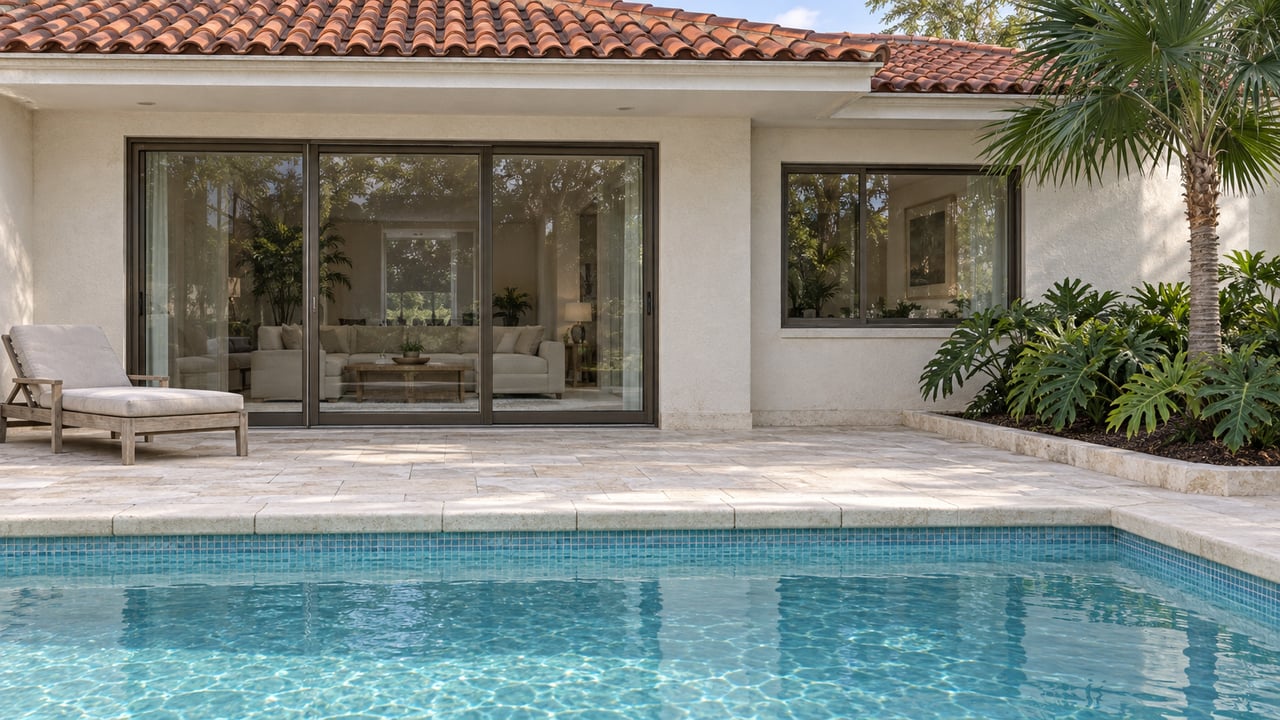
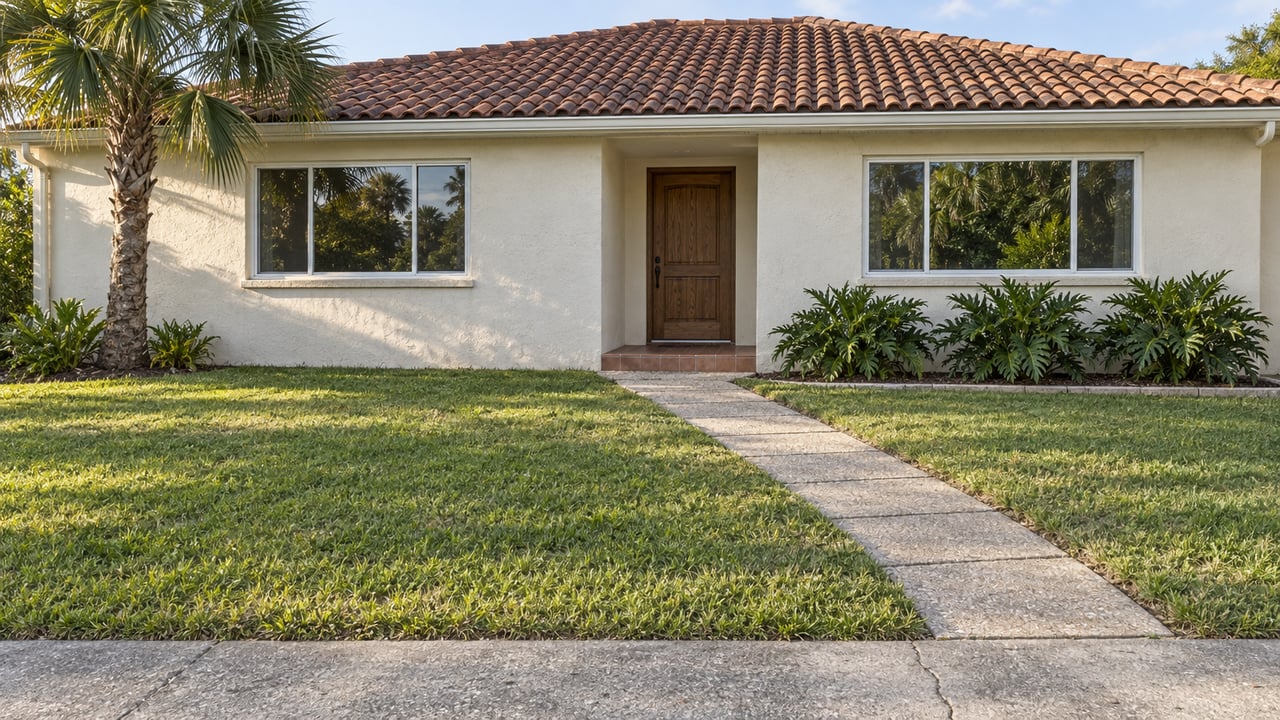
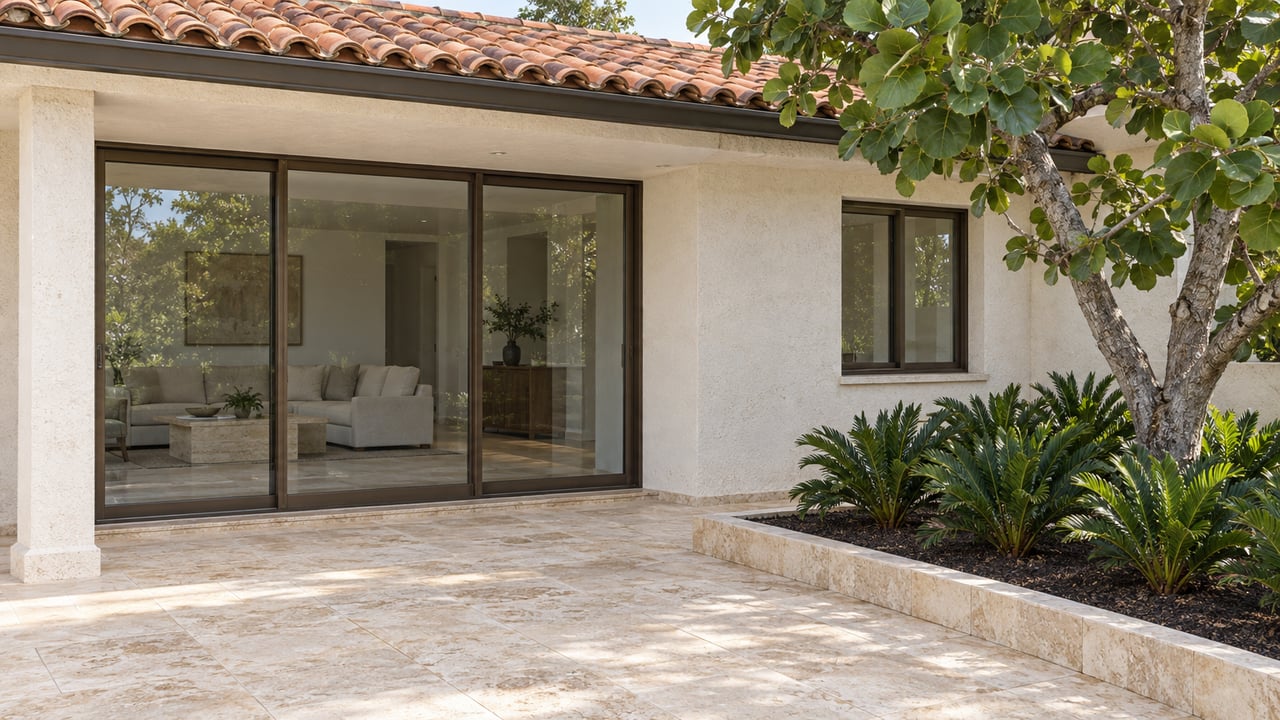
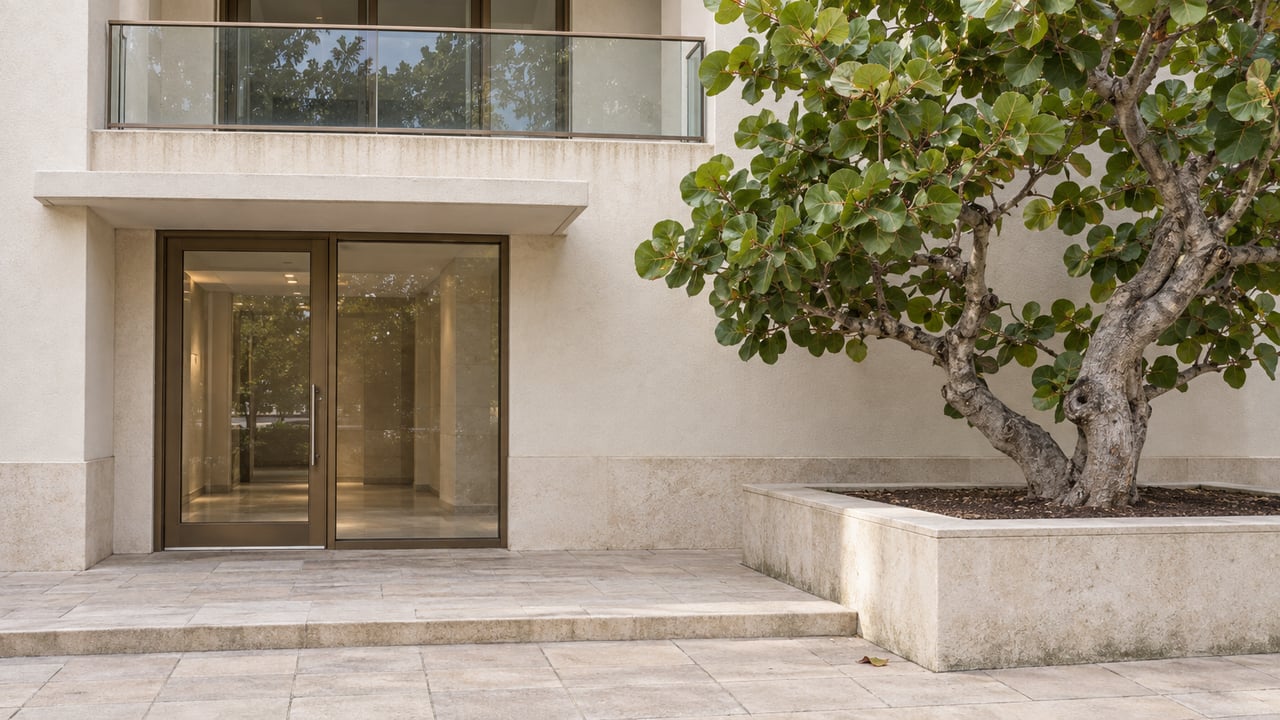
A buyer under contract on a canal-front home in Rio Vista orders a seawall survey, same as every waterfront deal advises. The engineer comes back with good news: no leaning panels, no soil loss, a few hairline cracks in the cap that need patching. Clean report. Deal moves forward.
Here is what that report did not say. It told the buyer the wall works today. It said nothing about whether the wall meets the elevation standard Broward County has already written into its resiliency code, or what happens the day someone pulls a permit to fix those hairline cracks. In Fort Lauderdale's canal neighborhoods, those two questions matter more than the inspection checklist most people rely on.
A Clean Report Only Answers Half the Question
Broward County adopted its Regional Resilience Standard for seawalls back in January 2020, as Policy 2.21.7 of the county's land use plan. The rule sets a minimum top elevation of 5 feet NAVD88 for tidal flood barriers, but it builds in a transition window: projects permitted before January 1, 2035 can be built to 4 feet NAVD88, as long as the design accommodates reaching 5 feet by January 1, 2050. Cities across the county had two years to adopt matching standards.
Fort Lauderdale is still catching up. A November 2022 staff report to the city's Planning and Zoning Board confirms the city's current minimum top elevation for seawalls sits at 3.9 feet NAVD88, a figure the city was actively working to bring up to the county's 5-foot standard at the time of that filing. That gap matters because most seawalls in the older canal neighborhoods, the ones built when Rio Vista and Las Olas Isles were first platted, sit at or below that same aging baseline. A seawall inspector checking for cracks and erosion is not checking for compliance with a standard the wall was never built to meet. Those are two separate audits, and only one of them shows up on the standard pre-purchase report.
The Trigger Most Buyers Never Ask About
Here is the part of the ordinance that turns a routine repair into a much larger project. The elevation requirement does not apply the moment the county passed the rule. Under Fort Lauderdale's Unified Land Development Regulations, it applies the moment a property owner pulls a permit for new construction or for a repair substantial enough to count as rebuilding the wall.
That threshold is not abstract. Broward's standard applies to any tidal flood barrier that is newly built, substantially repaired, or substantially rehabilitated. So the hairline cap cracks in that Rio Vista inspection report, on their own, might be a modest patch job. But if the engineer's final scope crosses into cap replacement, tieback restoration, or refacing a significant run of the wall, the repair can pull the entire structure into the current elevation standard, not the standard the wall was built under decades ago. A property owner planning a $15,000 fix can find themselves permitting a wall built to a different height than the one that has sat there since the 1960s, with all the excavation, dock disruption, and hardscape rework that comes with it.
This is the mechanism worth understanding before an offer goes in, not after. A wall in good condition today can still be one qualifying repair away from a compliance-driven rebuild, and the trigger has nothing to do with how the wall looks in a photo.
What the Number Actually Looks Like
Seawall pricing in Broward County runs on a wide spread, and the gap between repair and replacement is where most budgets get blown. Permitting and engineering can add weeks to the project as well.
| Scope | Typical cost or timeline | What drives it |
|---|---|---|
| Crack sealing, minor cap patching | Low thousands to $10K-$15K | Cosmetic, usually does not trigger elevation rules |
| Targeted repair (cap or anchor replacement) | $150-$900 per linear foot | Can cross the 50% threshold depending on wall length affected |
| Full replacement, vinyl | $400-$650 per linear foot | New construction, elevation standard applies automatically |
| Full replacement, concrete | $650-$900 per linear foot | Same, plus higher material cost for exposed or high-traffic canals |
| Permitting and engineering | 6 to 12 weeks added timeline | City and county review, plus potential Army Corps involvement near navigable water |
On a typical 100-foot residential lot, that range means a full replacement in Fort Lauderdale can run well past $125,000 once demolition of the old wall and permit review are factored in, a figure that has been reported in local coverage of the city's waterfront construction market. The gap between a repair estimate and a replacement invoice is exactly where deals stall in escrow, because the buyer priced the deal off the repair number and the contractor's actual scope came back as a rebuild.
Where This Math Bites Hardest
The neighborhoods most exposed to this gap are the ones with the oldest infrastructure and the deepest water, which happen to be the same neighborhoods commanding the highest prices. Rio Vista, Las Olas Isles, Seven Isles, Harbor Beach, Coral Ridge, Nurmi Isle, Sunrise Key, and Isla Bahia all sit on canals cut and walled decades ago, long before anyone was drafting a resiliency standard. These are also the addresses where deepwater dockage and no-fixed-bridge access to the Intracoastal command a premium, which means the seawall is not a side issue. It is the structure holding up the single feature the buyer is paying the most for.
It is worth being precise about what the ordinance does and does not require. Broward's standard does not force every existing seawall owner to rebuild on a deadline. It applies when a property owner chooses, or is forced, to do new construction or a substantial repair. An older wall that never needs more than cosmetic attention can sit below the new standard indefinitely. The exposure shows up specifically when a sale, a storm, or ordinary wear pushes an owner into permitted repair work, which is exactly the moment that tends to happen during or right after a real estate transaction, when a buyer's inspection surfaces the first honest look the wall has had in years.
How the Deal Actually Gets Through
The sellers who avoid a mid-contract fire drill are the ones who order the marine survey before listing, not after an offer arrives. A pre-listing seawall inspection typically runs a few thousand dollars and gives the seller the same information the buyer's engineer would find, but early enough to either complete the repair before showings start or price the home to reflect the work ahead. A documented, recently repaired wall becomes a selling point. The same condition discovered mid-escrow becomes a renegotiation, and on waterfront property, it is often the single largest one at the table.
It comes down to what gets negotiated once the number is real, which is why waiting until after inspection to think about it puts everyone in a weaker position than getting ahead of it.
The other cost that has crept into these deals is insurance, and it compounds the seawall math rather than sitting apart from it. Flood insurance premiums on Fort Lauderdale waterfront property have climbed enough in recent years that some owners have seen annual costs move from roughly $3,000 to $9,000 or more, driven by updated FEMA rate structures and the state's phase-in of flood coverage requirements for Citizens policyholders through 2027, as Citizens explains. A buyer who gets a written insurance quote before making an offer, alongside the seawall survey, avoids discovering both numbers at once during a 30-day closing window.
A Few Questions Worth Asking Early
Does every Fort Lauderdale seawall have to be rebuilt by a certain date? No. The elevation standard applies when an owner pulls a permit for new construction or substantial repair, not on a blanket timeline for existing walls in otherwise sound condition.
Who pays for seawall work when a deal is underway? It depends on what the parties negotiate.
How much does permitting add to the timeline? Plan on six to twelve weeks for engineering review and permit approval, longer if the Army Corps of Engineers gets involved near navigable water, which is common on Intracoastal-adjacent lots.
A seawall report that says "good condition" is telling you about today. The ordinance, the repair threshold, and the insurance market are all telling you about the next ten years. Buyers and sellers who ask about both, before an offer or a listing goes live, are the ones who get through closing without a surprise that costs more than the kitchen renovation they were actually excited about.
If you are weighing a purchase or a sale on Fort Lauderdale's canals and want a straight read on what a specific seawall, dock, or elevation certificate means for your timeline, Lois Rutigliano has spent years walking these waterfront deals through exactly this kind of due diligence. Let's Connect.
This article is general information, not legal, tax or financial advice. Consult a qualified professional about your situation.