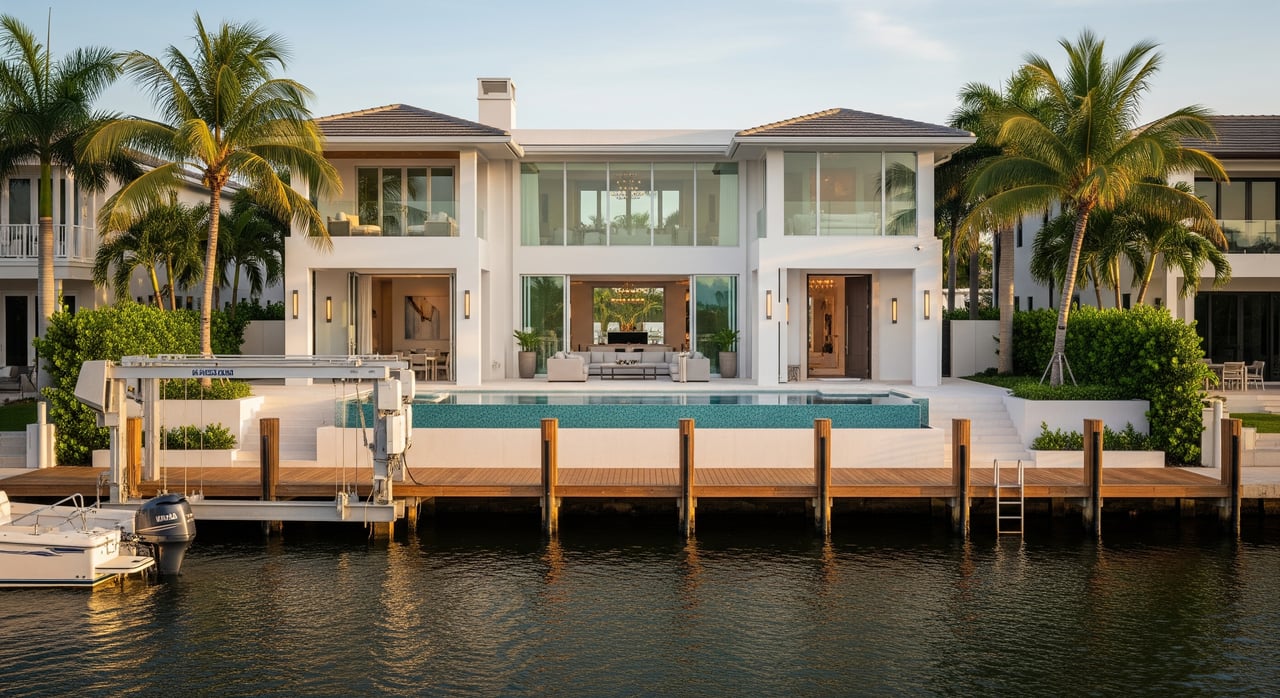
Buying a home in Fort Lauderdale can feel exciting and a bit overwhelming. You are choosing between waterfront living, vibrant neighborhoods, and a fast-moving coastal market. This guide breaks the process into clear steps, explains condo and HOA details, and highlights flood and insurance items that matter in Broward County. By the end, you will know what to do, when to do it, and how a local expert can help you close with confidence. Let’s dive in.
What to expect in Fort Lauderdale
Fort Lauderdale’s coastal neighborhoods often see strong demand and tight inventory. Desirable listings can attract multiple offers and quick timelines. For current trends and pricing, review the latest Florida Realtors market reports. Your strategy should focus on preparation, speed, and clarity.
Step 1: Prepare to buy
Get fully pre-approved
Start with a lender pre-approval, not just pre-qualification. A full pre-approval helps you understand your budget and positions you to act fast. If possible, ask your lender for an underwritten pre-approval to strengthen your offer in competitive areas.
Know your upfront costs
Beyond the down payment, plan for closing costs, inspections, title insurance, and prepaid items like homeowners and flood insurance. If the home is in a flood zone, your lender will require flood insurance. For condos and HOAs, budget for application fees, transfer fees, and possible assessments. Coastal homes can have higher insurance costs, so get quotes early.
Explore neighborhoods
Fort Lauderdale offers a range of lifestyles and price points across areas like Las Olas, Victoria Park, Coral Ridge, Rio Vista, Harbor Beach, and more. Consider walkability, flood risk, commute routes, marina access, and association rules. A local agent can help you compare options and set realistic expectations for each micro-market.
Step 2: Tour and vet homes
Key questions to ask
Before you fall in love with a property, gather facts that affect costs and risk:
- Is the home in a FEMA flood zone or a Broward County floodplain?
- What is the age and condition of the roof and HVAC? For waterfront properties, ask about seawall and dock condition and permits.
- Are there active or recent special assessments, insurance claims, or pending litigation for the condo or HOA?
- What are the rental rules and any city restrictions on short-term rentals?
Waterfront checks that matter
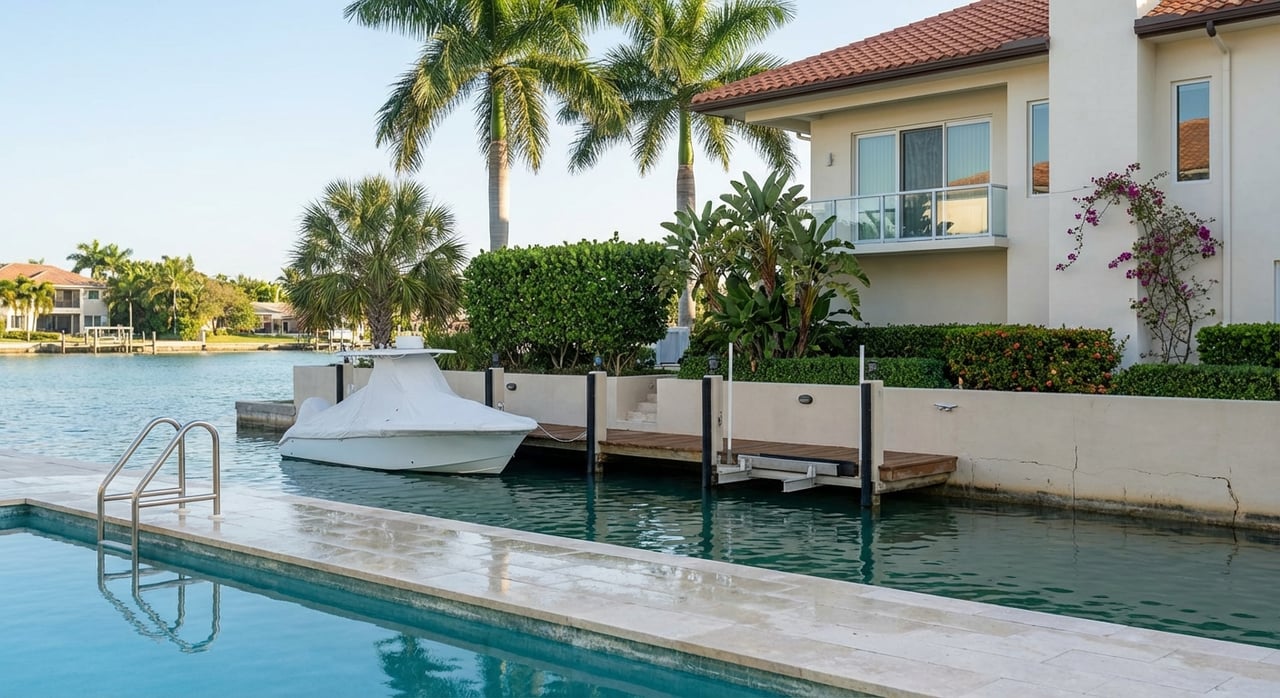
If you are buying on a canal or the Intracoastal, review seawall integrity, dock permits, and maintenance responsibilities. Confirm navigation depth and clearance if you plan to boat. For waterfront homes, a specialized seawall or marine inspection is a smart add-on.
Step 3: Write a competitive offer
What your offer includes
Your offer usually includes price, an earnest money deposit, closing date, and contingencies for inspection, financing, and appraisal. You can also negotiate closing cost allocations and seller concessions. For condo purchases, include a deadline to receive and review the association resale documents.
Escalation, appraisal, and deposits
In multiple-offer situations, your agent may discuss an escalation clause and how it interacts with appraisal. Earnest money is placed in escrow with the listing broker’s escrow account or a title company based on the contract. Your agent will help you set realistic deadlines so inspections, financing, and condo document review all move in step.
Step 4: Inspections and documents
The inspection period
Florida contracts commonly give you 7 to 15 days to complete inspections. Standard checks include a general home inspection plus roof, HVAC, pool, and any specialty evaluations. In Florida, a Wood-Destroying Organism (WDO) inspection is routine and often required by lenders. Coastal buyers should also ask for wind mitigation and, for waterfront properties, seawall and dock inspections.
Condo and HOA documents
Florida law outlines condominium resale procedures in Chapter 718 of the Florida Statutes. Buyers should receive a resale certificate and related disclosures, then review budgets, reserves, any litigation, insurance summaries, and rules. Homeowners’ association rules are guided by Chapter 720. Build in time to review and, if needed, cancel within the allowed period if the documents reveal issues you are not comfortable with.
Financing and survey
Your lender will order the appraisal and complete underwriting during this phase. Provide documents quickly to avoid delays. A survey may be required, and it is especially important for waterfront properties to confirm boundaries, docks, and any encroachments.
Step 5: Appraisal, underwriting, title
Keep your file moving
In a tight market, appraisal results can influence your final loan amount and whether you need to bridge any gap. Stay responsive to lender requests and keep your employment, income, and assets stable through closing. Ask your agent to coordinate with the lender and title company so everyone stays on schedule.
Review title and insurance
The title company will run a search to check liens, easements, and deed history. Review the title commitment and understand any exceptions. Owner’s title insurance is strongly recommended in Florida as added protection, in addition to the lender’s policy. Your lender will also confirm you have adequate homeowners and flood coverage if required by the property’s designation.
Step 6: Closing and move-in
Typical timing in Broward
Many transactions close within 30 to 60 days after acceptance, depending on financing, condo document review, and negotiated timelines. Closings are usually handled by a title company or closing agent. They prepare the settlement statement, coordinate payoffs and prorations, and record the deed with the county.
After you get the keys
Confirm that homeowners and flood insurance are active as of closing. Transfer utilities and schedule any immediate repairs. If the home will be your primary residence, consider filing for Homestead Exemption through the Broward County Property Appraiser. For condos, note any association move-in procedures or elevator reservations.
Condos and HOAs explained
Resale certificates
Condo buyers should expect a resale certificate and financial package that outlines budgets, reserves, assessments, pending litigation, and rules. Your contract should include a clear deadline to receive and review the documents and a cancellation right if the terms are unacceptable to you.
Reserves, assessments, litigation
Healthy reserves reduce the chance of large special assessments. Review the reserve study, assessment history, and any pending litigation that could affect your fees. Ask your insurance agent how the building’s master policy affects your individual condo policy.
Rental rules and city permits
Associations often set minimum lease terms or caps on rentals. The City of Fort Lauderdale also regulates short-term rentals, including registration and licensing. If rental income is part of your plan, confirm both association rules and the city’s short-term rental requirements before you buy.
Inspection limits in buildings
Many multi-unit buildings limit invasive testing. Inspectors may be restricted to non-destructive interior checks, while structural elements are maintained by the association. Factor this into your evaluation of risk and maintenance responsibilities.
Coastal and flood essentials
Flood zones and insurance
FEMA Flood Insurance Rate Maps determine flood zone designations. Lenders require flood insurance for properties in certain mapped zones. Use the FEMA Flood Map Service Center and the county’s Floodplain Management resources to understand risk. Elevation certificates and mitigation features, such as elevated foundations, can influence premiums.
Hurricane wind mitigation
Windstorm exposure affects insurance costs across coastal South Florida. Features like impact glass, hurricane shutters, reinforced garage doors, and strong roof attachments may yield discounts. Newer construction and permitted upgrades must meet local building codes. You can review the city’s permitting guidance within the City of Fort Lauderdale building resources to plan improvements.
Seawalls, docks, and access
For canal and Intracoastal homes, verify seawall and dock condition, permitting history, and maintenance responsibilities. Ask about dredging schedules, navigation depth, and any restrictions that affect boat size or clearance. Specialized marine inspectors can provide detailed evaluations.
Typical timeline at a glance
- Offer acceptance to closing: usually 30 to 60 days, faster for cash deals.
- Earnest money deposit: due within a few business days per contract terms.
- Inspection period: often 7 to 15 days from the effective date.
- Condo or HOA documents: commonly 5 to 10 business days for review after delivery, subject to statutory timelines.
- Appraisal and underwriting: typically 2 to 5 weeks, depending on lender and loan type.
- Title, survey, and issue resolution: runs in parallel with underwriting; complex title issues can extend timing.
Buyer costs to budget
- Down payment based on your loan program.
- Earnest money deposit held in escrow per contract.
- Loan costs: origination, processing, appraisal, and credit report.
- Title and closing costs: title search, title insurance, and recording fees.
- Prepaid items: homeowners insurance, flood insurance if required, and prorated property taxes.
- Inspections and surveys: home inspection, WDO, wind mitigation, roof, pool, and seawall or dock inspections.
- HOA or condo fees: transfer fees, application fees, document fees, and monthly dues.
- Moving costs and immediate repairs or upgrades.
Common pitfalls to avoid
- Skipping or rushing critical inspections, especially WDO, roof, wind mitigation, and seawall.
- Overlooking condo resale documents, including reserves, assessments, and litigation.
- Underestimating flood risk and insurance costs, or not checking FEMA maps and elevation certificates.
- Ignoring city and association rules on short-term rentals if investment income is a goal.
- Missing contingency deadlines without written extensions.
How a local agent helps
A local Fort Lauderdale specialist adds value at every step. You get neighborhood-level pricing insight, fast identification of coastal risks, and connections to lenders, inspectors, and title companies who know Broward County standards. You also benefit from smarter offer strategies, tight contingency timelines, and coordinated communication that keeps your closing on track.
Ready to start your search with a trusted neighborhood advisor who offers concierge-level guidance? Connect with Lois Rutigliano for a step-by-step plan tailored to your goals.
FAQs
How long does buying a home in Fort Lauderdale take?
- Most financed purchases close in 30 to 60 days after acceptance, while cash deals may close faster; condos can take longer due to association document review.
Do I need flood insurance in Broward County?
- If the home is in a FEMA-mapped flood zone and you have a mortgage, your lender will require it; even outside mapped zones, many buyers choose coverage due to coastal risk.
What is different about buying a condo in Fort Lauderdale?
- You will review a resale certificate, budgets, reserves, litigation status, insurance summaries, and rental rules, and you should allow time to cancel if the documents are not acceptable.
Who pays closing costs in Florida?
- The allocation is negotiable and documented in your contract; confirm details with your lender’s estimates and your title company’s settlement statement.
Are short-term rentals allowed in Fort Lauderdale?
- Many associations restrict rentals, and the city requires registration and licensing for short-term rentals, so verify both the HOA’s rules and the city’s program before you buy.